Tank vs. Tankless Water Heaters: Which Is Best for Boise Homes?
Boise Water Heater Experts is a Boise, Idaho water heater replacement, installation and repair specialist serving households and businesses throughout the Treasure Valley. When it's time to replace a water heater, Boise homeowners face a bigger decision than they did a decade ago: stay with a traditional storage tank, or switch to a tankless system? Both work well in the Treasure Valley — the right choice depends on your household, your home's infrastructure, and how long you plan to stay.
How each system works
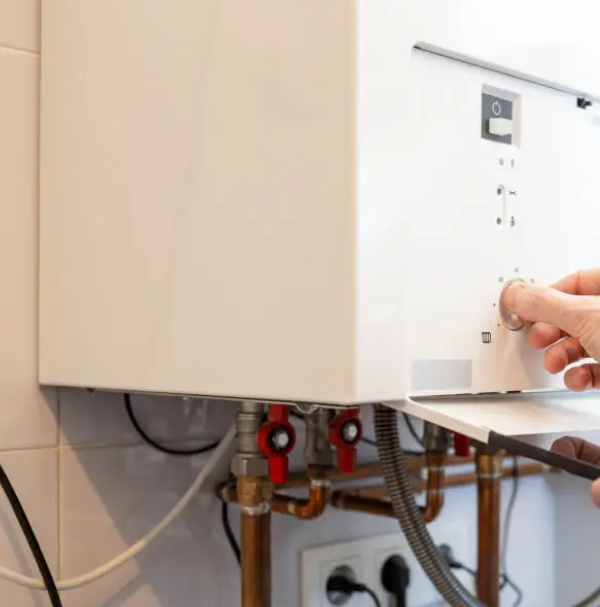
A storage tank water heater keeps 40 to 75 gallons of water hot around the clock, ready whenever a tap opens. A tankless water heater has no storage — it heats water on demand as it flows through a compact wall-mounted unit, so it never runs out and never pays to keep a tank hot overnight.
Upfront cost and installation
A like-for-like tank replacement is the simplest and most budget-friendly project: the new tank connects where the old one sat, with current code upgrades like an expansion tank, a compliant relief discharge line and a drain pan where required. A tankless conversion costs more upfront because it typically involves new venting, a larger gas line to feed the higher firing rate, isolation valves for future descaling, and condensate drainage on condensing models. If your home already has tankless, replacing it with another tankless unit is much simpler than the initial conversion.
Hot-water delivery
Tanks deliver strong flow to multiple fixtures at once — but only until the stored hot water is gone, after which you wait for recovery. Tankless delivers endless hot water, but at a limited flow rate: sizing has to account for how many showers, appliances and taps run simultaneously. For a household that staggers usage, either works. For a family with back-to-back morning showers, both options can be sized correctly — it just needs to be done deliberately.
Lifespan and maintenance
Storage tanks typically last 8 to 12 years; tankless units commonly last considerably longer with proper care. Both need maintenance in Boise: the valley's hard groundwater leaves sediment in tanks and scale on tankless heat exchangers faster than in soft-water regions. Tanks benefit from periodic flushing and anode rod checks; tankless systems need periodic descaling. Budgeting for regular maintenance matters more than which type you choose.
Space and placement
Tankless units mount on a wall and free up floor space — a real advantage in Boise garages, compact condos in the downtown and numbered-streets area, and townhomes where every square foot counts. Tanks need floor space and clearance, though they're usually a simple swap where one already exists.
Treasure Valley water and winter conditions
Boise winters drop incoming water temperatures well into the 40s, which means a tankless unit has to raise the water further to reach a comfortable setpoint and delivers less flow in January than it does in July. On the other hand, unheated garages and crawl spaces get genuinely cold here, so freeze protection, insulation on exposed lines and sensible placement matter for either type.
Energy use and operating cost
Tanks keep water hot continuously, so they lose some energy to standby heat loss. Tankless systems only fire when water flows, and heat pump electric tanks are the efficiency leaders among storage options. Whether the efficiency premium pays off depends on your household's hot-water usage and how long you plan to stay in the home.
Which is best for your Boise home?
- Choose a tank if you want the lowest upfront cost, the fastest replacement, and your current setup works well for your household.
- Choose tankless if you regularly run out of hot water, want to reclaim floor space, plan to stay in the home long enough to value the longer lifespan, or are building an ADU or addition where space is tight.
- Consider a heat pump tank if you have a garage or utility area with room to spare and want the lowest possible operating cost on electric.
The right answer depends on your home's gas line, venting, electrical service and your household's demand pattern. Describe your current setup in our free quote form — include a photo of the unit and its rating plate — and you'll get a recommendation sized for your home, with both options priced so you can compare. You can also read more about gas and electric options, or see our guide to water heater replacement cost in Boise.
Get a Free Water Heater Quote
Describe your water heater situation and we will send you a quote with no obligation.
Get Your Free Water Heater Quote
Tell us about your water heater needs and we will send you a quote with no obligation.