
7 Signs You Need to Replace Your Water Heater in Boise
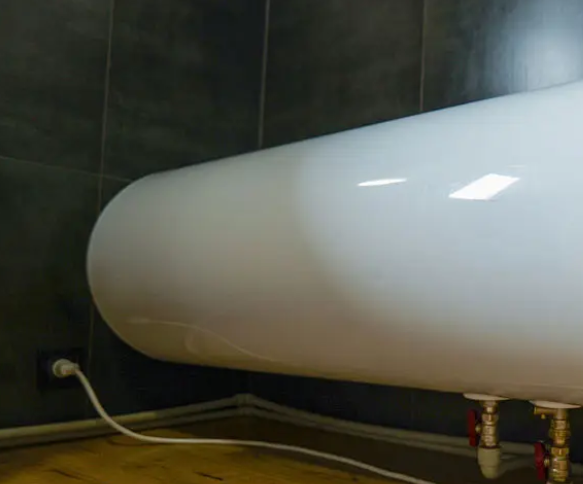
Boise Water Heater Experts provides 7 Signs You Need to Replace Your Water Heater in Boise for homeowners, landlords and business owners across Boise, Idaho and the wider Treasure Valley. Most water heaters don't fail without warning. In the months before a tank gives out completely, it usually sends signals — some obvious, some easy to dismiss. Here are the seven signs Boise homeowners should take seriously, and how to tell a repairable problem from one that means replacement is near.
1. Your water heater is 10+ years old
A conventional storage tank typically lasts 8 to 12 years. The manufacture date is encoded in the serial number on the rating plate — a quick search of the brand's date-code format tells you exactly how old yours is. Past the ten-year mark, replacement becomes a question of timing, not if. Planning the swap on your schedule beats an emergency failure on the tank's schedule.
2. Water pooling around the base
Water at the base of the tank with no visible leak from the fittings, valves or connections above usually means the tank itself has corroded through. That is not a repairable condition — a leaking tank body means replacement. If you see active leaking, shut off the cold water inlet valve above the heater and request leak service or emergency help promptly.
3. Rusty or discolored hot water
If hot water runs brown or rusty while cold water runs clear, corrosion is happening inside the tank or its components. Sometimes a depleted anode rod is the culprit and replacing it buys time on a younger unit. On an older tank, discolored hot water usually signals the tank lining is failing and replacement is approaching.
4. Rumbling, popping or banging noises
Those sounds come from sediment baked onto the tank bottom. Treasure Valley groundwater is hard, and those dissolved minerals settle out over time, forming a hardened layer that overheats and pops as water pushes through it. A tank flush can help a younger unit; on an older tank, heavy sediment often means the bottom has been stressed for years and efficiency has already dropped.
5. Inconsistent water temperature or running out of hot water
Showers that swing hot to lukewarm, or a household that suddenly can't get through morning routines without the hot water running out, point to a failing thermostat, a burned-out element, heavy sediment — or a tank that was never sized correctly for the home. A single component failure on a younger unit is a reasonable repair. Recurring temperature problems on a ten-year-old tank usually aren't worth chasing.
6. Rising energy bills
As sediment builds and components wear, a water heater works harder to deliver the same hot water. If your gas or electric usage has crept up without a change in household habits, the water heater — one of the largest energy users in the home — is a prime suspect. Modern replacement units meet substantially better efficiency standards than models from the early 2010s, so replacement often pays part of itself back in monthly savings.
7. Frequent repairs
One repair on a mid-life water heater is normal. A second and third service call within a couple of years is the classic pattern of a unit in decline. At some point, the money spent propping up aging equipment would be better directed toward a new unit with a full warranty.
Repair or replace? A quick rule of thumb
- Repair when the unit is under roughly 8 years old, the tank body is sound, and a single component has failed.
- Replace when the tank leaks, the unit is past 10 years and needs a major part, or repairs have become a pattern.
If two or more signs on this list sound familiar, it's time to plan a replacement rather than wait for a cold-shower morning or a flooded garage. Request a free replacement quote and include your unit's age, fuel type and symptoms — you'll get a clear, no-obligation recommendation.
Get a Free Water Heater Quote
Describe your water heater situation and we will send you a quote with no obligation.
Get Your Free Water Heater Quote
Tell us about your water heater needs and we will send you a quote with no obligation.